THE BENDING MOMENT
Why structures stand, and why they fall.
A structural engineer takes apart the great buildings, bridges and disasters of history, one drawing at a time. Every video is also a full article, with the drawings and the sources.
Latest video
A new video every few days
How Rome Moved Water 50 km With No Pumps
The Pont du Gard is 49 metres high and about 2,000 years old. It was built to carry a channel of water a little over one metre wide. Over 50 kilometres, that water drops by only 17 metres. No pumps, no engines.
Read the articleThe Guide
How to Read Structural Drawings
One beam, B2, followed from the plan to the section, the schedule and the general notes, then decoded in the six rebar notations you will meet on real sets.
#5H1616ØT16Ø16N1661 pages · 12 exercises with answers · about 100 abbreviations · PDF
Three ways in
Why It Fell
Collapses and failures, taken apart drawing by drawing: what went wrong, and what engineers changed afterwards.
5 VIDEOSWhy It Stands
Domes, towers, aqueducts and bridges that refuse to fall, and the simple ideas that keep them up.
3 VIDEOSForces Explained
Tension, compression, bending and shear, drawn so they finally make sense.
All videos
See all →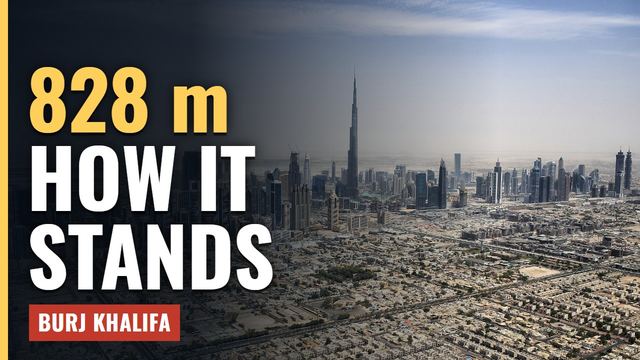
Burj Khalifa
coming 13 Dec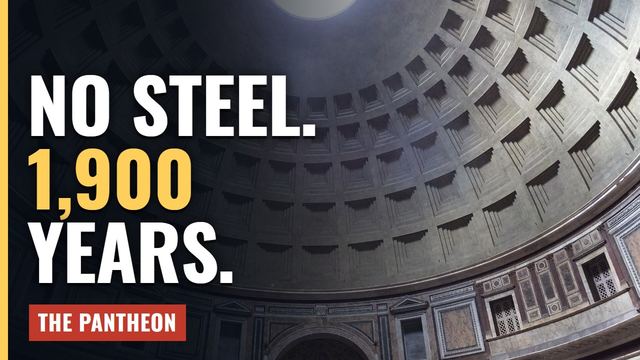
The Pantheon
coming 09 Dec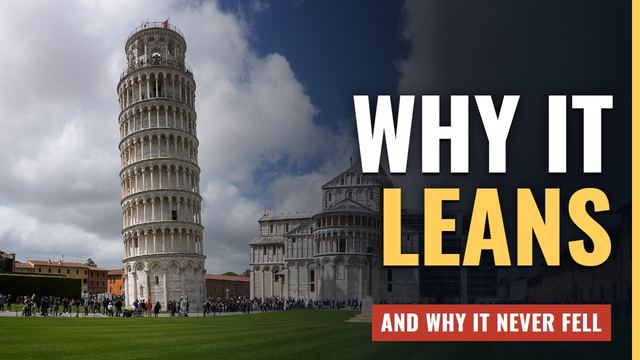
Why the Leaning Tower of Pisa Never Fell
coming 06 Dec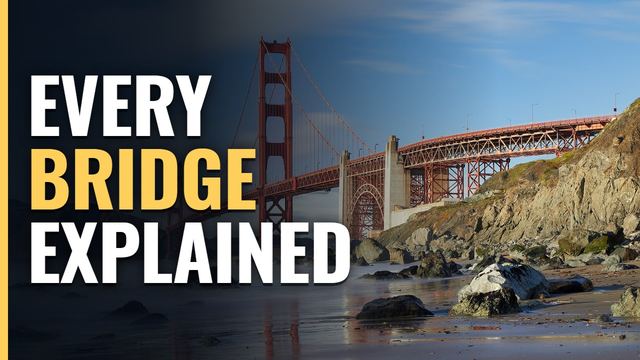
The 5 Types of Bridges
coming 02 Dec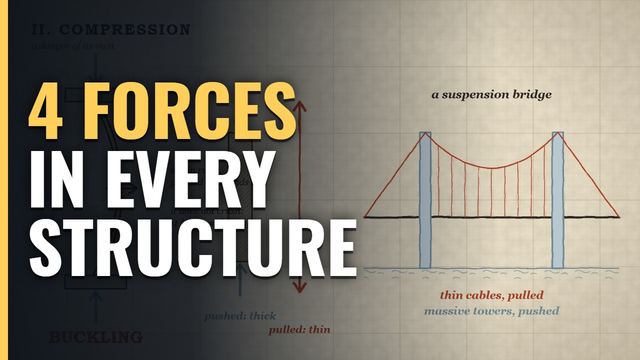
Tension, Compression, Bending, Shear
coming 29 Nov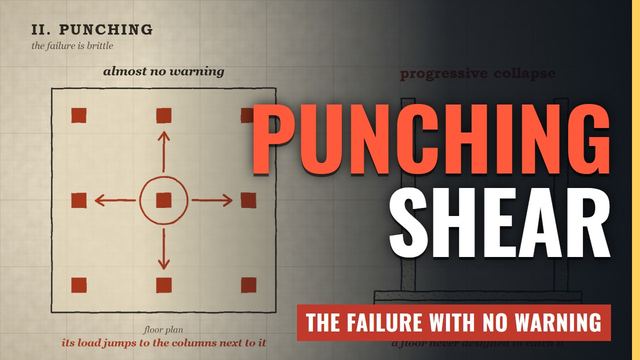
Punching Shear
coming 26 Nov
How Rome Moved Water 50 km With No Pumps
6:46 · transcript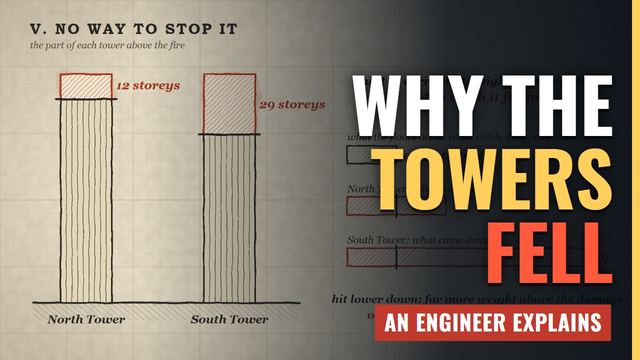
Why the Twin Towers Fell
6:57 · transcriptOne structure, explained.
Every week.
A short email with one drawing, one idea and the new video. No noise.